
Just a few years ago, “immune reset” sounded aspirational. Today, deep Bcell depletion followed by durable remission is appearing across multiple autoimmune indications, propelled by cell therapies, engagers and next-generation biologics. Academic teams first demonstrated lupus remissions after CD19 CART, spurring global Phase I/II programs that now span systemic sclerosis, myositis, and more.
Recent coverage underscores how far we’ve come: Nature profiled a wave of studies showing CART sending autoimmune diseases (lupus, rheumatoid arthritis, multiple sclerosis) into remission, with clinicians suggesting this approach could be generalized across autoimmunity.
Industry Momentum: Biopharma Bets on Resetting the Immune System
Biopharma is moving fast to translate academic signals. Cabaletta Bio is advancing its rese cel (CABA 201) program with multiple Phase 1/2 trials (RESET) across lupus, myositis, systemic sclerosis, myasthenia gravis, and pemphigus; several cohorts carry Fast Track and RMAT designations.
Analyst and meeting updates through 2024–2025 report early lupus and dermatomyositis responses with steroid free follow up, fuelling plans for registrational pathways.
Meanwhile, Fate Therapeutics is pushing an off the shelf iPSC derived CD19 CAR T (FT819) in SLE and systemic sclerosis, highlighting reduced intensity or even conditioning free regimens and intent to start pivotal work in 2026.
Beyond cell therapy, T cell engagers (TCEs) have surged: Cullinan Therapeutics struck a $700M pact to add a BCMA×CD3 bispecific (velinotamig) to pair with its CD19 program in autoimmune disease, signaling confidence that plasma cell targeting can drive durable resets.
EULAR 2025 abstracts and case reports show CD19×CD3 and BCMA×CD3 TCEs achieving short term clinical efficacy across refractory autoimmune cohorts, including teclistamab in lupus and systemic sclerosis.
Why This Field Is Heating Up: Mechanistic Clarity & Practicality
Multiple lines of evidence indicate that deep, tissue-level depletion of pathologic B-cell compartments, not just peripheral CD20 cells, underpins drug-free remission. Lymphnode biopsies after CD19 CART show complete B-cell clearance and disrupted follicular structures, changes not seen after antiCD20 therapy alone.
Analysts frame this as a race to reset autoimmunity, with >80 candidates in development across >380 trials, spanning autologous CART, allogeneic/iPSC CART, and noncell biologics such as bispecifics.
The Human Signal: Drug Free Remission & Quality of Life
Clinical narratives are compelling: patients with lupus entered sustained, medication-free remission after CD19 CART, with the results reproduced across early series with 1–2+ year follow-up.
Safety profiles in autoimmune cohorts appear more favorable than in oncology settings due to the lower CRS/ICANS severity), though vigilant monitoring of toxicity and infection remains essential.
The Immune Resetting Team’s Perspective: Building the Right Room at the Right Time
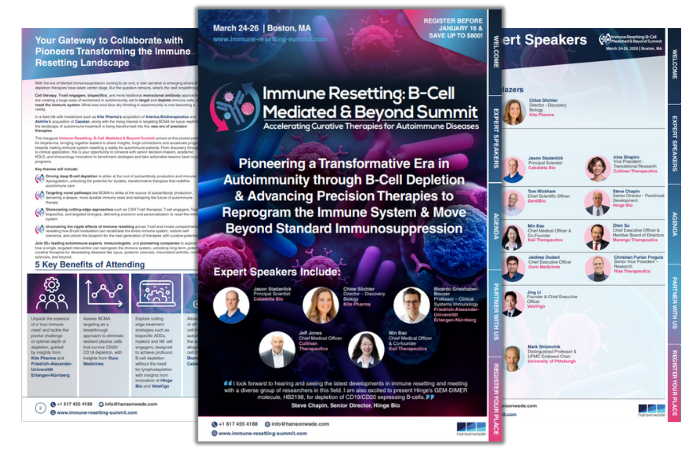
All this is why we’re excited to host the inaugural Immune Resetting: B-Cell Mediated & Beyond Summit, an industry led forum designed to move from promising signals to translational playbooks across modalities (cell therapy, TCEs, bispecifics, mAbs) and organ systems.
Program highlights feature leaders from Kite Pharma, Bristol Myers Squibb, Cullinan Therapeutics, FAU Erlangen–Nürnberg, and more, with sessions spanning mechanisms, trial operations, neurology applications, and combination strategies.
The summit convenes 50+ autoimmune innovators to tackle critical questions, including optimal B cell depletion depth, impact across tissues, CNS translational strategies, trial windows, and combinations for durability. This is exactly where the field needs consensus.
Agenda sessions on CAR T combinations, CNS targeted B cell depletion for MS, autologous CD19 CAR Ts in rheumatology, and T cell targeting beyond B cells reflect the field’s breadth.
Explore the Full Event Guide
- 50+ Industry Attendees
- 18+ World-Class Speakers
- 5+ Modalities Covered
- 6+ Hours of Unrivaled Networking Opportunities
- 2 Deep-Dive Workshops
- The only industry forum dedicated to advancing curative therapies for autoimmune diseases through immune resetting
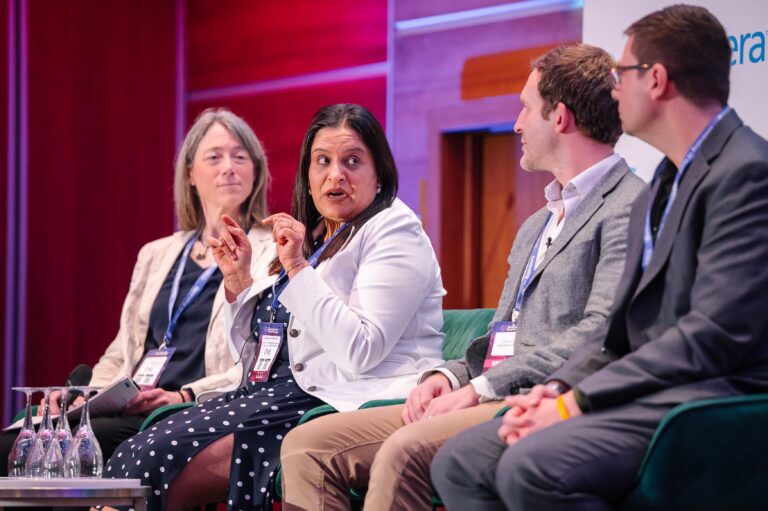
Explore the Brand-New Agenda
Hear the latest industry breakthroughs in B-cell mechanistic understanding and gain exclusive modality and platform insights during our packed agenda, interactive roundtables, and panel discussions.
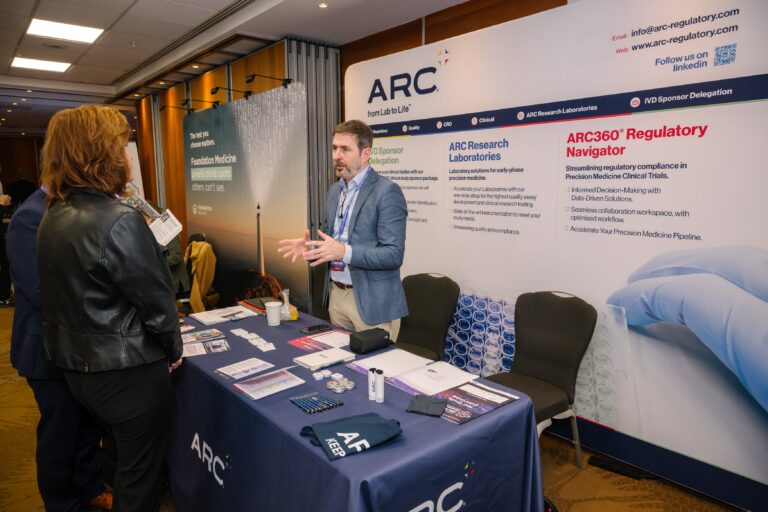
Partner With Us
Position yourself as the go-to service provider of the rapidly progressing ‘Immune Resetting’ landscape to ensure your brand is at the heart of deals in this evolving space.
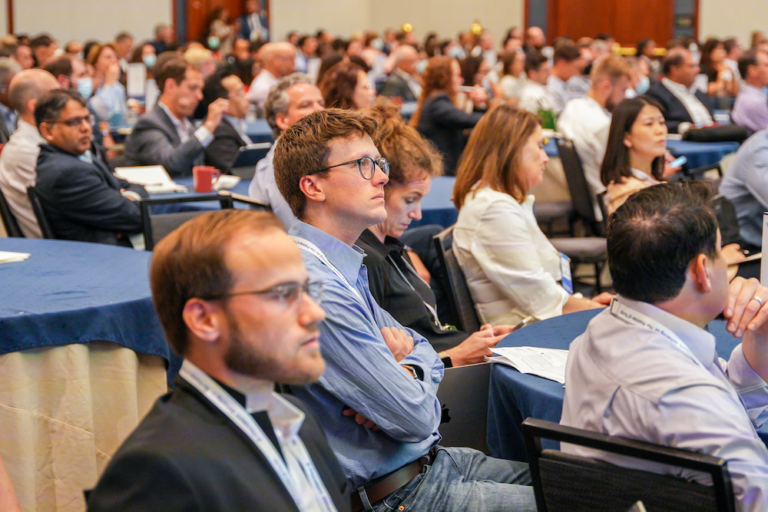
Join Biopharma Experts
Be part of the most critical conversations shaping the future of autoimmune therapy. Connect with like-minded experts across every stage of drug development, from discovery to clinical application, and dive into focused discussions on redefining immune reset.